Quick Answer
The goal isn't to use more AI. It's to use the right AI for the right HR task.
Most HR teams in India did not have an "AI strategy" two years ago. They had a hiring target, a policy inbox and a spreadsheet. The teams getting real value in 2026 are the ones who figured out which tool fits which job. Here are five tools worth knowing, and the HR work each one actually handles well.
Watch: 5 AI Tools HR Teams Should Know in 2026
A quick walkthrough of the five AI tools in this guide and what each one is actually good at.
ChatGPT / Grok: everyday HR writing and communication
General-purpose assistants are the closest thing HR has to a default AI tool. They are strongest wherever the work is writing, rewriting or thinking out loud.
Practical HR use cases:
- Drafting job descriptions for a role, then tightening them for a specific market or seniority level.
- Rewriting internal announcements, offer communication and rejection emails so they sound human instead of templated.
- Turning rough notes from a hiring manager into a structured role brief.
- Preparing interview question sets, competency rubrics and reference-check scripts.
- First-pass drafts of HR content: newsletters, onboarding welcome notes, policy summaries for employees.
NotebookLM: your HR policy and document brain
NotebookLM works differently from a general chatbot. You give it your own documents, and it answers only from those documents — with citations back to the source.
That makes it a natural fit for the part of HR that is really document lookup.
Practical HR use cases:
- Upload the employee handbook, leave policy, POSH policy and travel policy, then ask questions in plain language and get answers grounded in your actual documents.
- Help a new HR executive get up to speed without reading 200 pages.
- Compare an old and revised policy version and summarise what changed.
- Build internal knowledge notebooks per entity or location — useful when policy differs across offices.
- Summarise long research reports, salary benchmarking studies or compliance circulars into something you can brief leadership on.
Mishuk Labs: AI voice recruitment and candidate screening at scale
That's usScreening is where most Indian hiring funnels break. A single frontline or BFSI role can attract hundreds of applications, and recruiters end up spending their week dialling numbers, leaving voicemails and re-explaining the same job details.
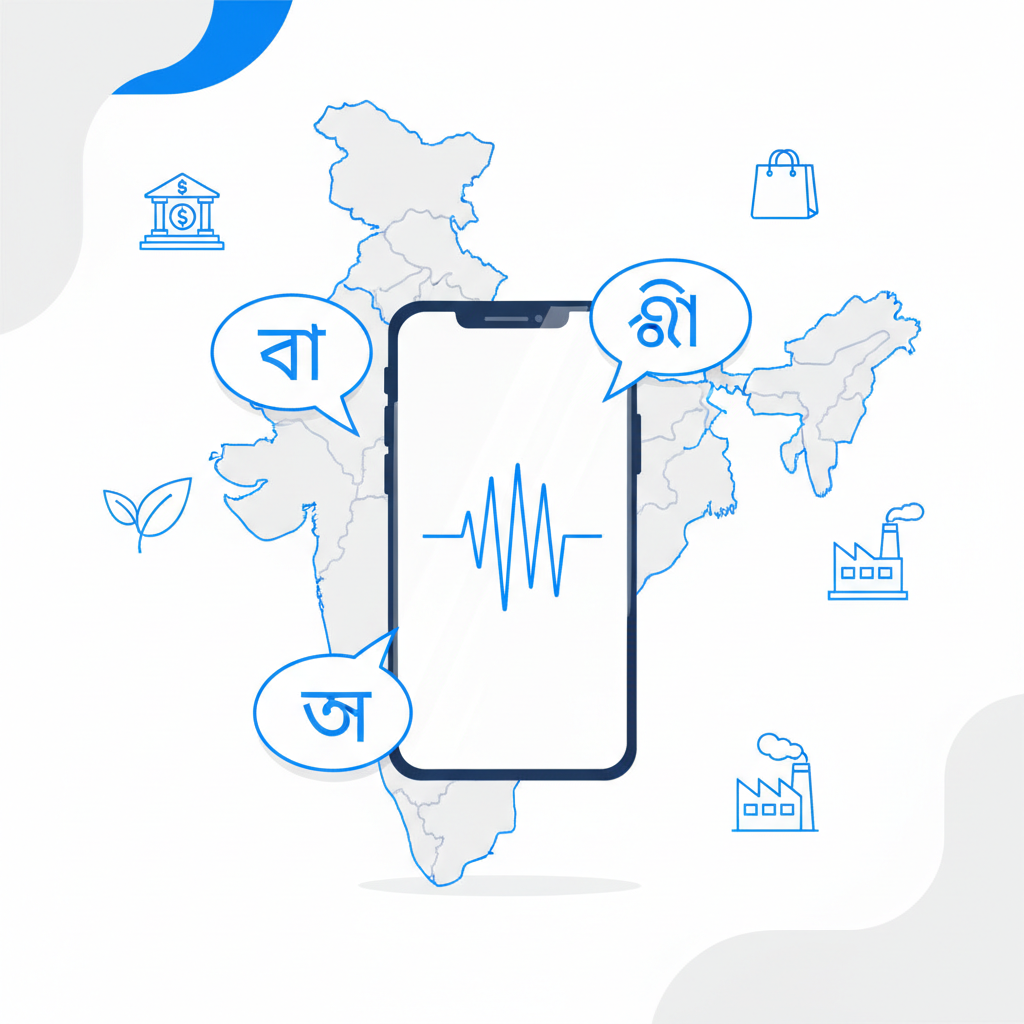
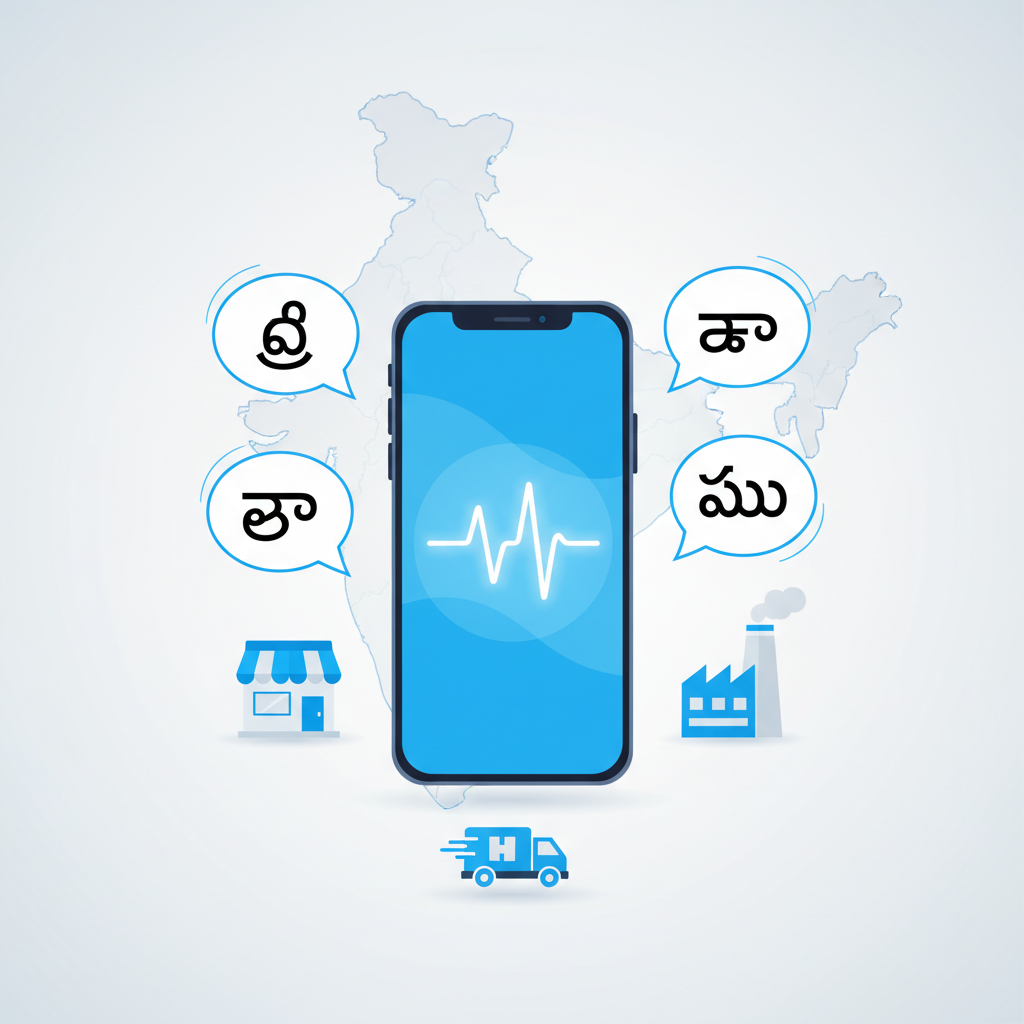
Mishuk Labs is a conversational AI recruiter built specifically for that problem. It calls applicants, holds a natural screening conversation, asks follow-up questions when an answer is vague, probes for specifics, and qualifies candidates against the criteria the role actually needs.
Practical HR use cases:
- Calling every applicant shortly after they apply, instead of only the top of the list.
- Structured screening conversations for sales, BPO, retail, logistics, BFSI and other high-volume roles.
- Follow-up questions and probing — checking whether "handled targets" means 5 lakh a month or 50, or whether a candidate can genuinely commute to the location.
- Qualification and shortlisting, with transcripts and structured scores recruiters can review.
- Screening in the language the candidate actually speaks — Mishuk Labs supports 14+ Indian languages and handles Indian accents and Hinglish, including mid-sentence code-mixing.
- Re-engaging older applicant databases that were never called.
Resolve: employee requests and HR workflow automation
Much of HR's day is not strategy. It is requests: "Where is my payslip?", "How many leaves do I have left?", "What's the notice period?", "My laptop hasn't arrived."
Resolve targets this layer — employee HR requests and the workflows behind them.
Practical HR use cases:
- Answering repetitive employee policy queries without an HR executive typing the same reply for the eleventh time.
- Onboarding workflows: documentation, access requests, induction steps, first-week checklists.
- Offboarding: exit checklists, clearance steps, asset recovery, final documentation.
- Routing anything that needs a human to the right person, with context attached.
- Visibility into which requests keep coming back — often the clearest signal that a policy is written badly.
Claude: HR documents, analysis and complex content
Claude is the tool to reach for when the input is long and the thinking needs to be careful — long documents, nuanced policy language, structured analysis.
Practical HR use cases:
- Reviewing long HR documents: employment contracts, vendor agreements, policy drafts, compliance frameworks.
- Drafting or restructuring detailed policy documents where tone and precision both matter.
- Analysing engagement survey comments or exit interview notes and grouping themes.
- Turning messy HR data into a clear narrative for leadership — what the attrition numbers actually say.
- Sensitive communication drafts: restructuring notes, performance conversations, difficult manager guidance.
Compare the AI Tools for HR
| Tool | Primary strength | Best HR use case | Type of work |
|---|---|---|---|
| ChatGPT / Grok | Fast, flexible writing | Job descriptions, HR communication, everyday drafting | Content and communication |
| NotebookLM | Answers grounded in your own documents | Policy lookup, handbooks, internal knowledge, research | Knowledge and documents |
| Mishuk LabsThat's us | Conversational AI voice calls with candidates | Candidate calling, screening, probing, qualification at scale | Recruitment automation |
| Resolve | Request handling and workflow automation | Onboarding, policy queries, offboarding | Employee operations |
| Claude | Long-document reasoning and analysis | Contracts, detailed policy, HR data analysis | Analysis and documentation |
How to Choose the Right AI Tool for HR
1. Start with the bottleneck, not the tool.
Write down where your team loses the most hours this month. If it is screening calls, no amount of better job-description drafting will fix it.
2. Match the tool to the type of work.
Writing tasks suit general assistants. Document questions suit grounded tools like NotebookLM. Candidate conversations at volume need purpose-built voice AI.
3. Check whether it needs to talk to your existing systems.
A tool that produces results your ATS or spreadsheet never sees creates a second workflow instead of removing one.
4. Ask what happens to employee and candidate data.
Where is it stored, who can see it, is consent captured. This is non-negotiable for anything touching candidate calls or employee records.
5. Insist on a human checkpoint for decisions.
AI should narrow, structure and summarise. Hiring, exits and performance outcomes stay with people.
6. Roll out one tool per problem.
Teams that adopt five tools in a quarter usually abandon four. Expand only once that first use case is genuinely working.
Benefits of AI in HR
Screening candidates slowing you down?
See how Mishuk Labs automates thousands of candidate screening conversations with AI.
Conclusion
None of these five tools is "the best AI tool for HR", and none of them replaces an HR team. They are useful examples of a shift that is already underway: AI is becoming task-specific. Writing tools for writing. Document tools for documents. Voice AI for conversations.
For hiring teams in India, the conversation layer is usually the biggest unlock — because that is where the volume, the languages and the lost hours actually are.
If screening is your bottleneck, that is where to start.
Mishuk Labs — Conversational AI for Smarter Hiring.
Frequently Asked Questions
About Mishuk Labs
Mishuk Labs is an AI recruitment platform that provides AI voice screening in 14+ Indian languages and proctored AI video interviews with fraud detection for recruiting teams in India — including BFSI, BPO, retail, staffing and manufacturing.
Founded by Pintu Shaw, Mishuk Labs works with employers and recruitment agencies across India.